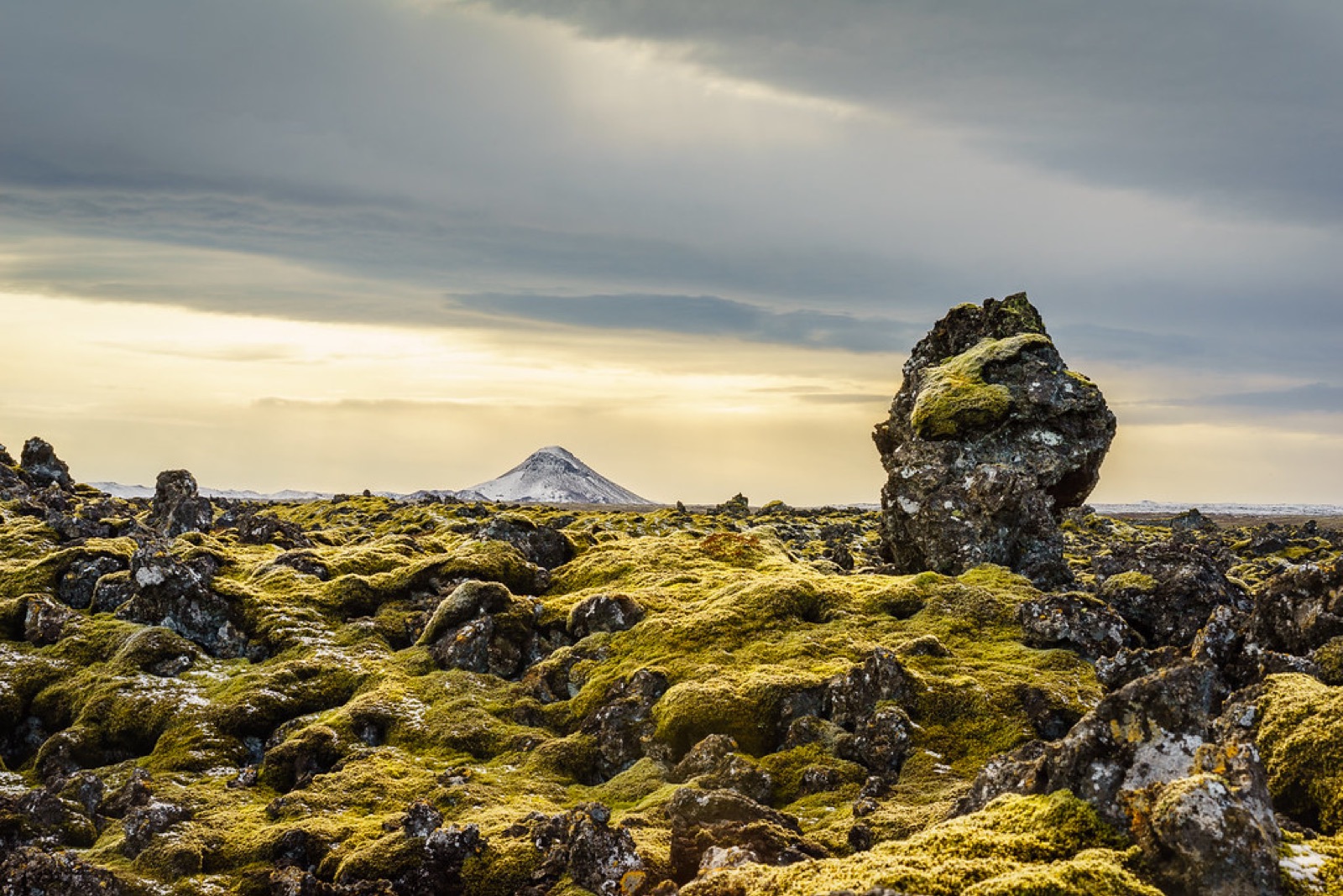
Climate Tech — Enhanced Rock Weathering
From Jeju's fields,
to a cooler planet
Mudleearth is an Enhanced Rock Weathering climate tech startup. We spread Jeju basalt rock dust on farmland to capture atmospheric carbon and improve the soil, raising crop productivity.
The Problem
CO₂ keeps building up in the atmosphere
Atmospheric carbon dioxide has kept rising since industrialization. Alongside cutting emissions, we also need technologies that remove the carbon already in the air.
The Solution
Accelerating nature's weathering with technology
When basalt rock dust is spread on farmland, it reacts with carbon in rainwater and soil to form bicarbonate, which travels through groundwater and rivers to be stored in the ocean, or stays in the soil as carbonate. Mudleearth is running Korea's first field pilot of this process on Jeju farmland while building a measurement, reporting and verification (MRV) system.
Durable storage
Carbon fixed through weathering stays locked away for more than 1,000 years.
Soil improvement
Rock dust neutralizes acidic soil and supplies minerals such as calcium, magnesium and silicon. In experiments by our partner Kyung Hee University, crop (alfalfa) growth rose by 20–47%.
Measure · Report · Verify
With Kyung Hee University and Jeju National University we regularly analyze soil and leachate to estimate carbon uptake, and with AI digital MRV startup Newtonne we are developing a sensor- and AI-based measurement system.
Technology
Enhanced weathering, a four-step science
Enhanced Rock Weathering (ERW) is a carbon removal technology: silicate rock powder such as basalt is spread on farmland to speed up natural weathering, fixing atmospheric CO₂ as bicarbonate along the way.
Our Approach
Nature has stored carbon through rock weathering for ages. Mudleearth speeds that process up, demonstrating measurable carbon removal on Jeju farmland.
The Technology
A four-step process
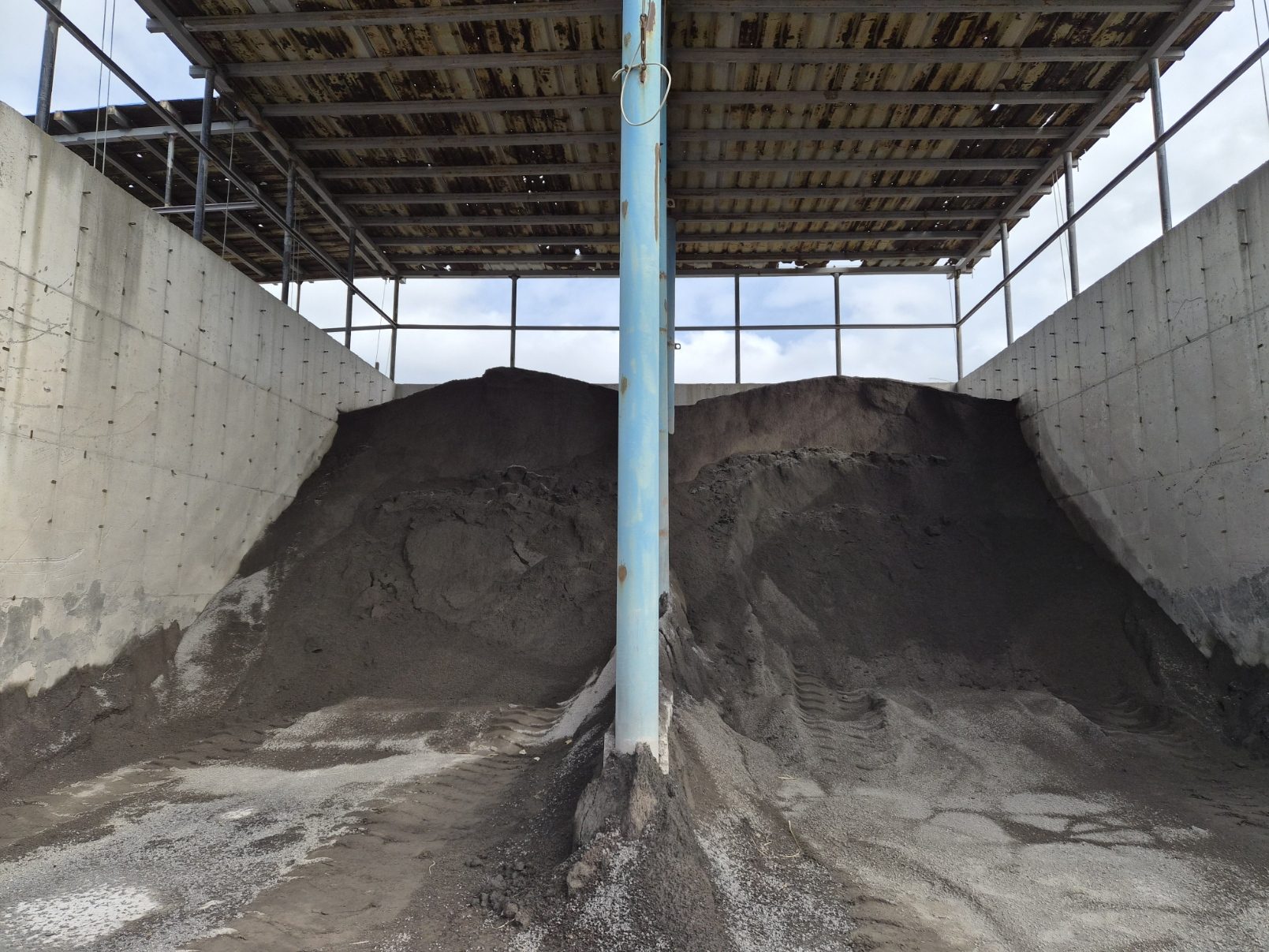
We secure basalt rock dust piled up at Jeju quarries, screen it to a particle size suited to field application, and test its composition.
The rock dust is trucked to the field, spread evenly and mixed into the soil. It is also expected to neutralize acidic soil and supply minerals.
Rainwater and CO₂ react with the rock dust to form bicarbonate, which travels through groundwater and rivers to be stored in the ocean, or stays in the soil as carbonate.
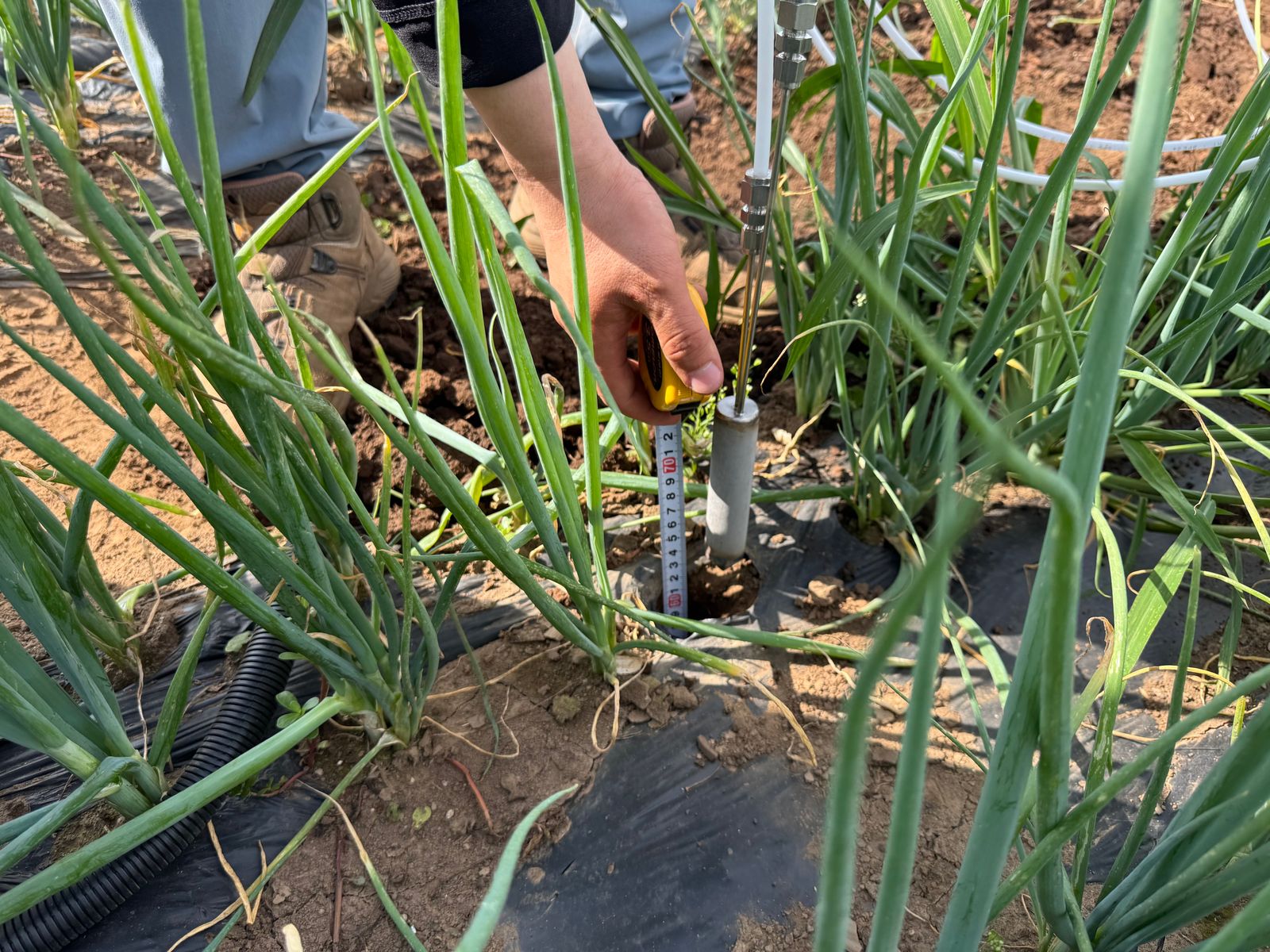
We regularly analyze soil and leachate to estimate carbon uptake. A third-party verification framework for credit issuance is in preparation.
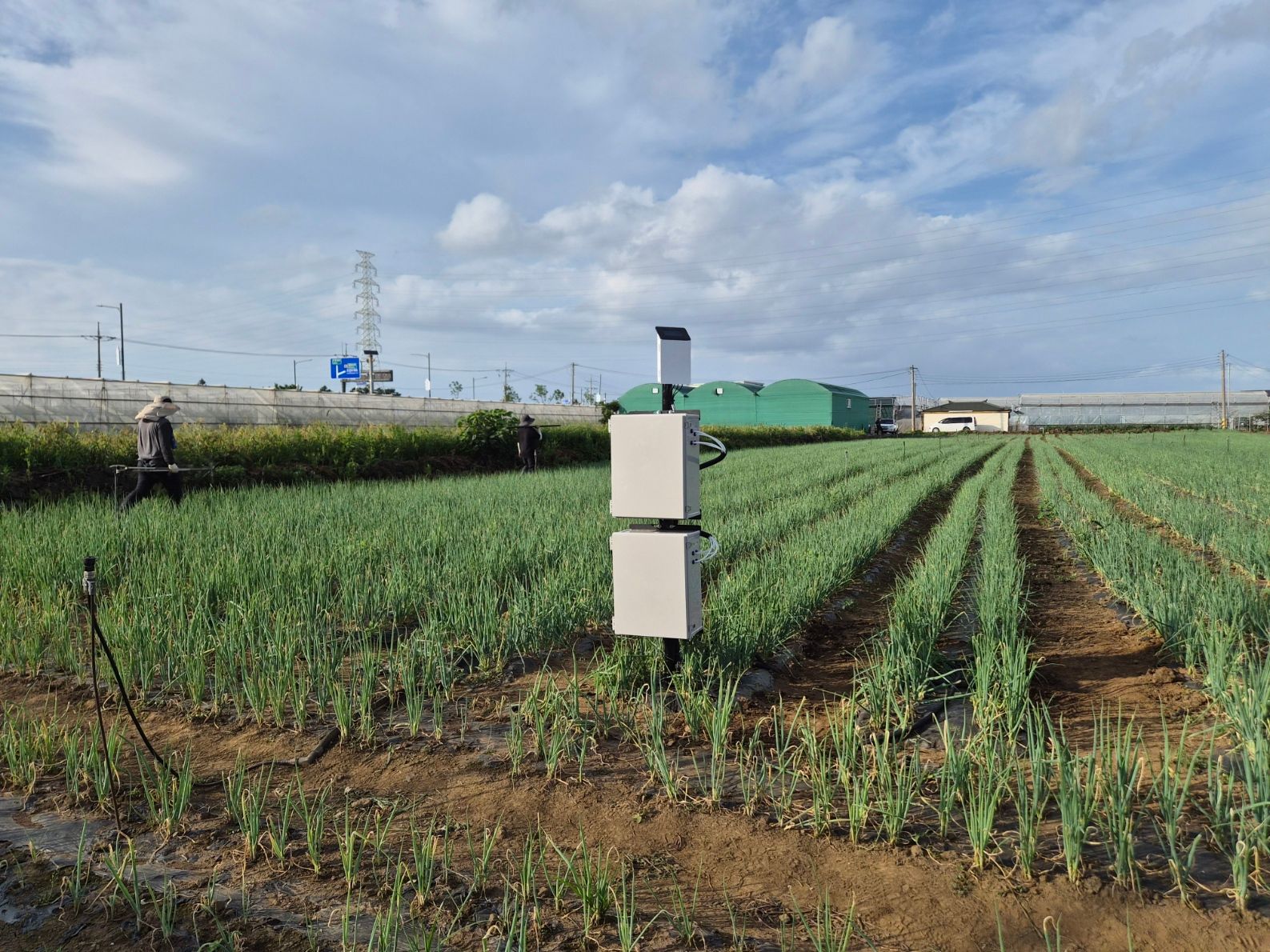
MRV builds the evidence behind every credit
About us
The power of rock to cool the planet
Mudleearth supplies basalt rock dust piled up at Jeju quarries to farmland, developing technology that speeds up rock weathering — a process that takes a very long time in nature. Our goal is to measure, report and verify the carbon the rock dust captures, turn it into carbon credits, and share the revenue with farmers.
Mission
Restore farmers' soil and reduce atmospheric carbon with Jeju basalt rock dust.
Vision
Take the enhanced rock weathering model proven in Jeju to mainland Korea and overseas.
Core Values
Measurability
Carbon uptake must be scientifically measurable, reportable and verifiable.
Nature-based
We follow nature's weathering process and keep watch on changes in soil and leachate.
Shared local value
We are building a model that shares revenue from carbon credits and low-carbon produce with farmers.
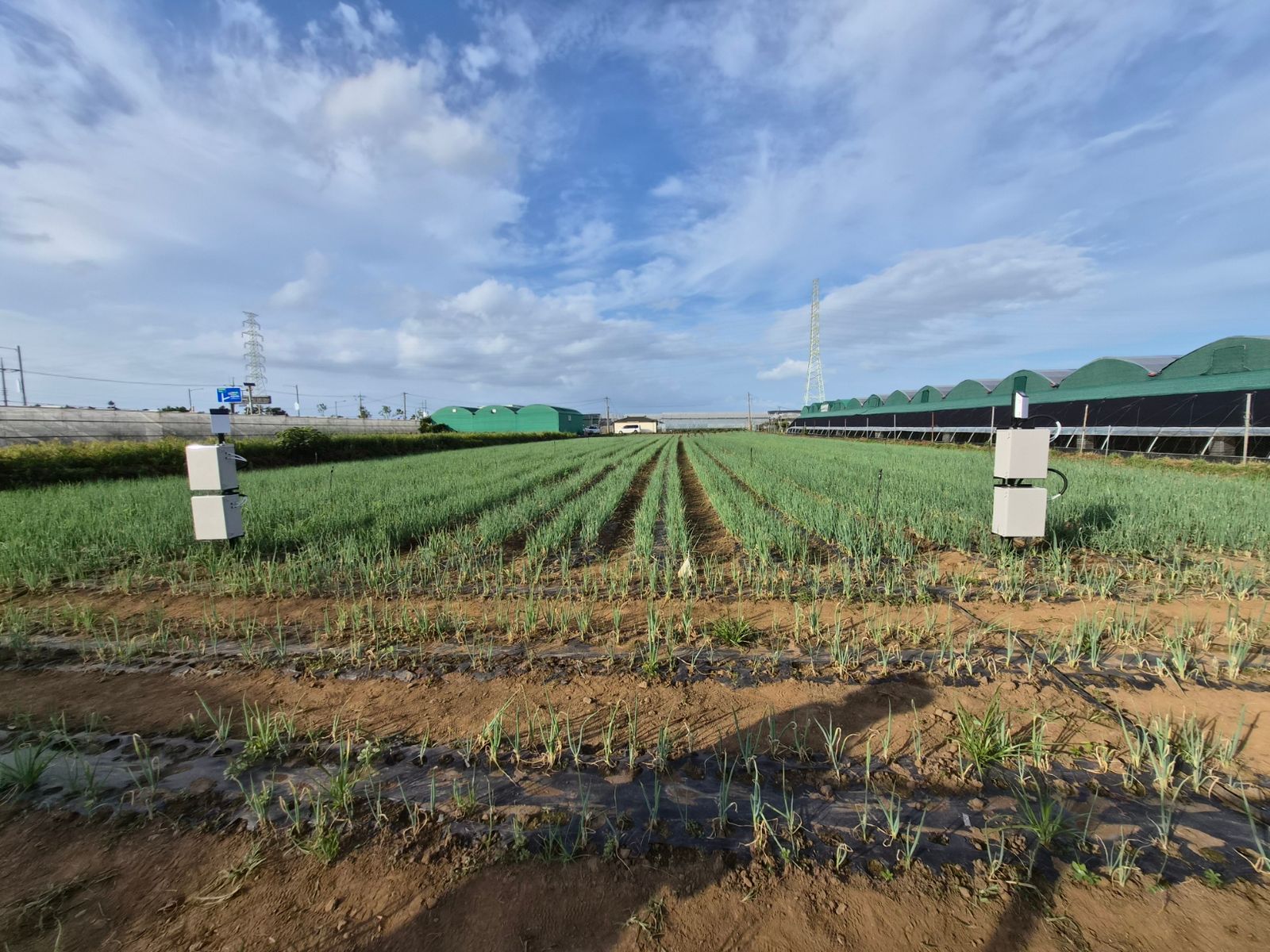 Pilot field in Jocheon-eup, Jeju City
Let's build this together.
Carbon removal purchases, partnerships, research collaboration — get in touch about anything.
Contact us ↗